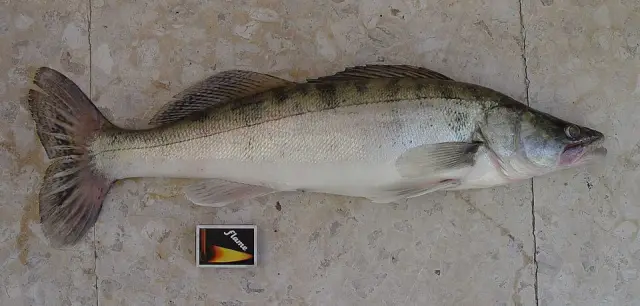
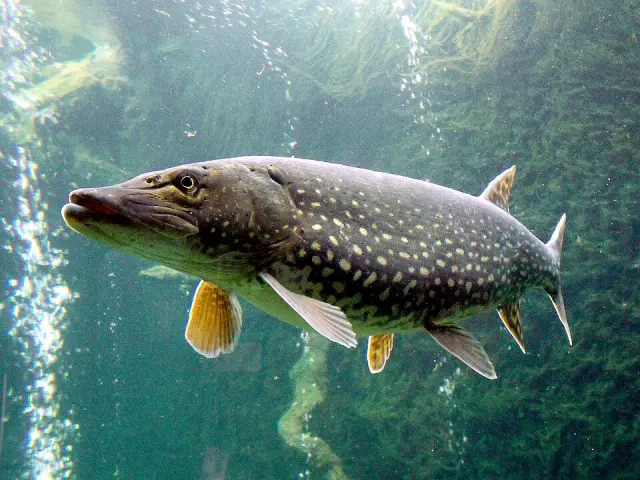
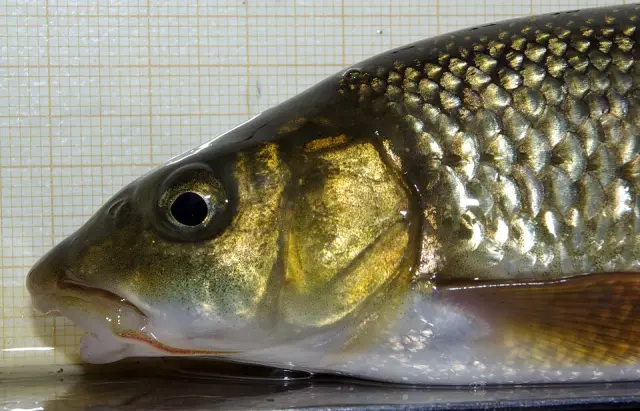
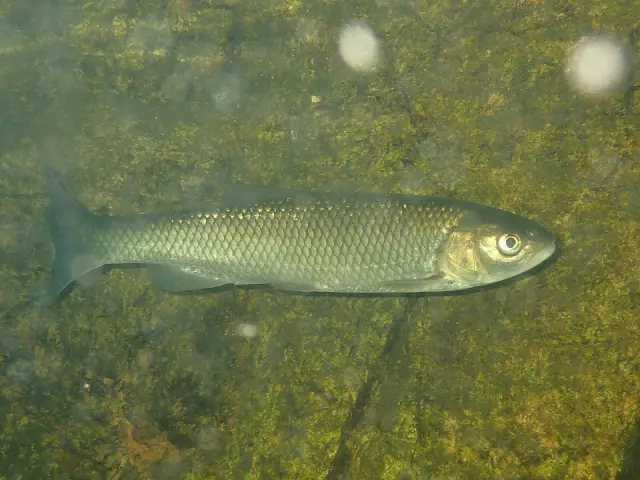
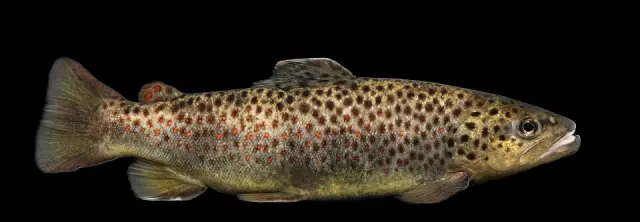
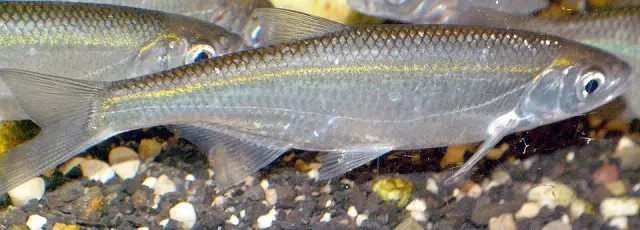
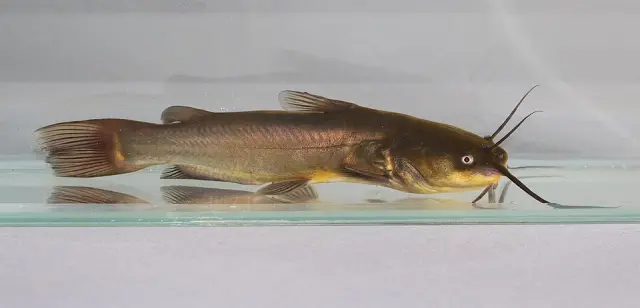
Lo que puedes alcanzar de verdad desde una playa, una escollera o las rocas. Esta es la pesca de la mayoría aquí.
Dorada
Orada · Gilthead seabream · Sparus aurata
- Cebo
- titàcranc pelutgambanavallamusclo
- Cómo montarlo
- Running ledger, 1–2 m fluorocarbon
Profundidad 1–30 m
16–26 °C
Quédatelo solo si pasa de 20 cm
Crushes shellfish — use a strong hook and check knots. Best over mixed sand and rock, often very close in.
Leer más
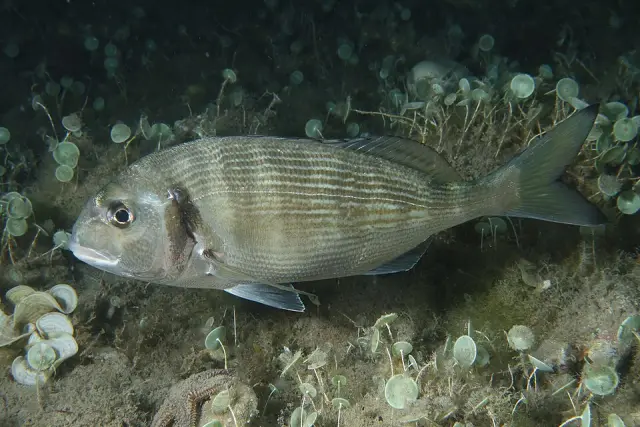
Foto: (c) Julien Renoult, some rights reserved (CC BY) (CC BY 4.0) vía Wikimedia Commons
· Fuente↗
Lubina
Llobarro · European seabass · Dicentrarchus labrax
- Cebo
- titàpeixet viuSlim minnow lure 90–130 mmvinilopopper
- Cómo montarlo
- Spinning, 15–30 g, along the breakwater wash
Profundidad 0–20 m
11–22 °C
Quédatelo solo si pasa de 25 cm
Hunts the white water on a building sea. Rough, coloured conditions after a blow are prime.
Leer más
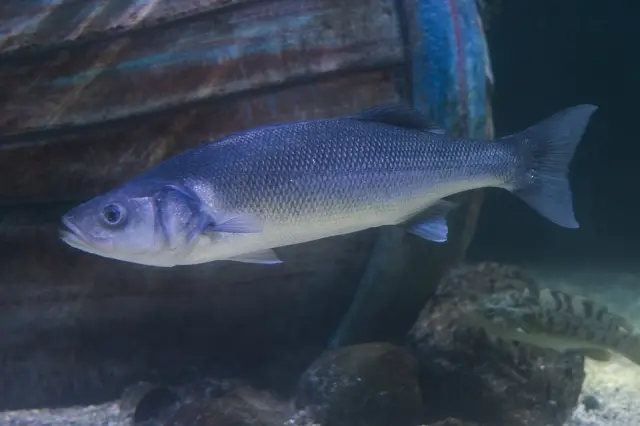
Foto: Miguel Mendez from Malahide, Ireland (CC BY 2.0) vía Wikimedia Commons
· Fuente↗
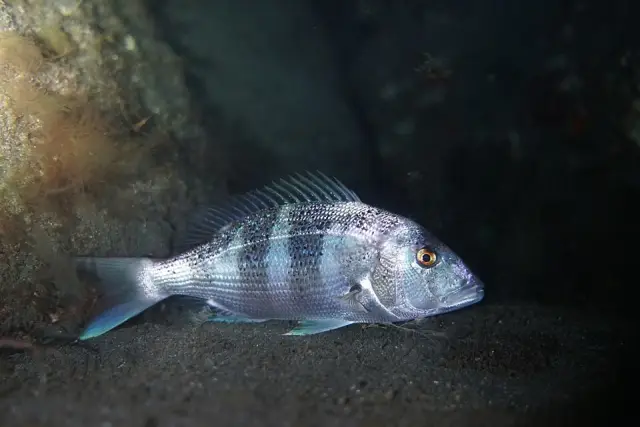
Sargo
Sarg · White seabream · Diplodus sargus
- Cebo
- cranc pelutpagellidagambagarota
- Cómo montarlo
- Light rockfishing paternoster
Profundidad 1–25 m
13–25 °C
Quédatelo solo si pasa de 15 cm
Lives hard against structure — fish tight to breakwater blocks and expect to lose rigs.
Leer más
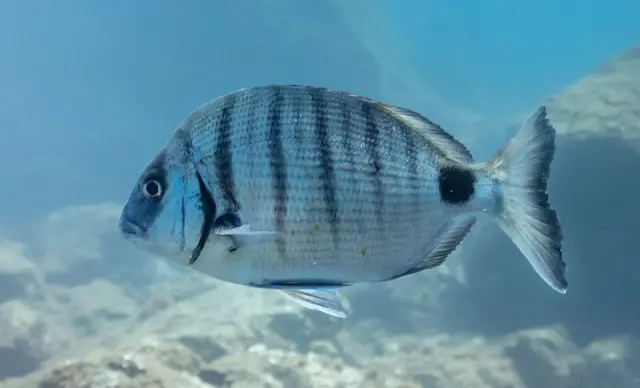
Foto: Diego Delso (CC BY-SA 4.0) vía Wikimedia Commons
· Fuente↗
Mojarra
Variada · Two-banded seabream · Diplodus vulgaris
- Cebo
- titàgambamusclo
- Cómo montarlo
- Light float rig
Profundidad 1–20 m
13–25 °C
Quédatelo solo si pasa de 15 cm
Leer más
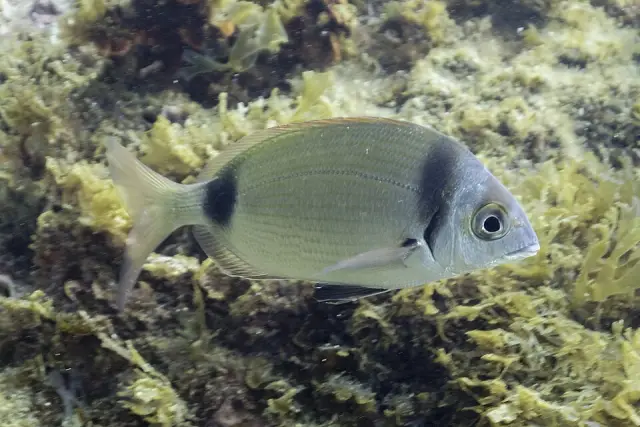
Foto: Diego Delso (CC BY-SA 4.0) vía Wikimedia Commons
· Fuente↗
Raspallón
Esparrall · Annular seabream · Diplodus annularis
- Cebo
- titàpasta de paPrawn pieces
- Cómo montarlo
- Fine float rig, size 12–16 hooks
Profundidad 1–15 m
14–26 °C
Quédatelo solo si pasa de 12 cm
Small and abundant — good sport on light tackle, and reliable when nothing else feeds.
Leer más
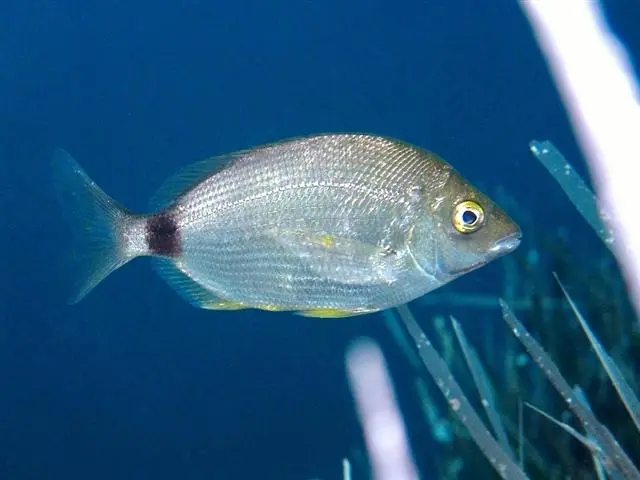
Foto: Roberto Pillon (CC BY 3.0) vía Wikimedia Commons
· Fuente↗
Sargo picudo
Morruda · Sharpsnout seabream · Diplodus puntazzo
- Cebo
- garotacranc pelutgamba
- Cómo montarlo
- Light rockfishing rig
Profundidad 2–30 m
13–22 °C
Quédatelo solo si pasa de 18 cm
A cold-season speciality — best from the breakwaters once the water drops below about 18 °C.
Leer más
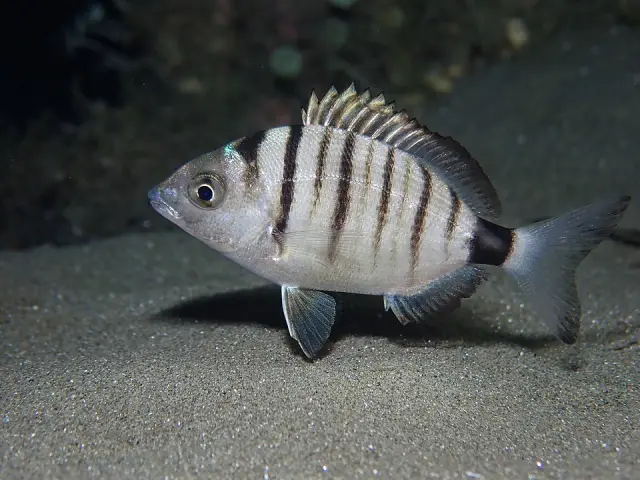
Foto: Julien Renoult (CC BY 4.0) vía Wikimedia Commons
· Fuente↗
Oblada
Oblada · Saddled seabream · Oblada melanura
- Cebo
- gambatitàpa
- Cómo montarlo
- Float fished at 1–3 m, after dark
Profundidad 1–20 m
17–27 °C
Quédatelo solo si pasa de 15 cm
Comes on strongly at dusk around lit harbour walls.
Leer más
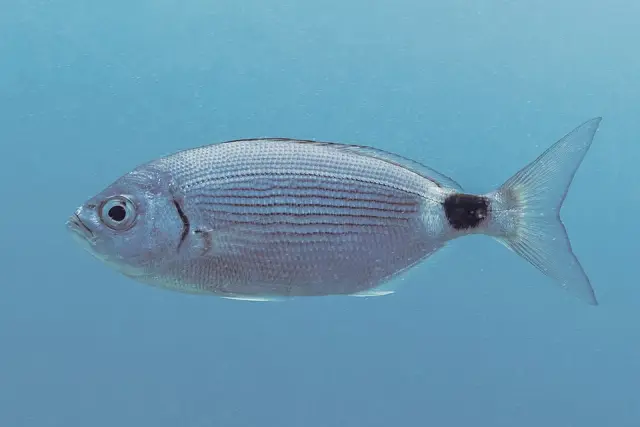
Foto: Diego Delso (CC BY-SA 4.0) vía Wikimedia Commons
· Fuente↗
Salema
Salpa · Salema porgy · Sarpa salpa
- Cebo
- enciam de marpasta de paalga verda
- Cómo montarlo
- Float rig with algae, mid-water over rocks
Profundidad 0–15 m
16–27 °C
Quédatelo solo si pasa de 15 cm
Largely herbivorous — algae out-fishes worm. The most-recorded fish on this coast.
Leer más
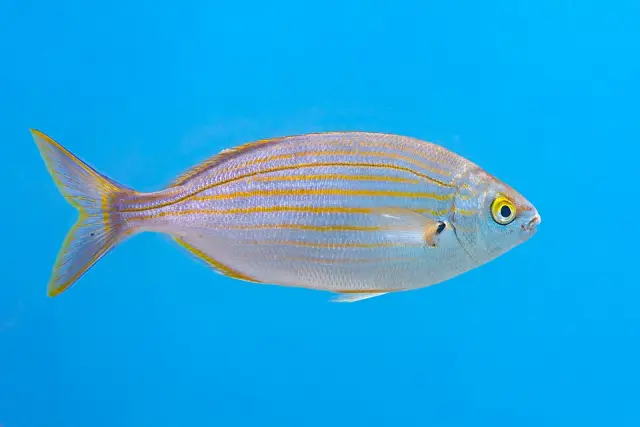
Foto: Diego Delso (CC BY-SA 4.0) vía Wikimedia Commons
· Fuente↗
Chopa
Càntera · Black seabream · Spondyliosoma cantharus
- Cebo
- titàtira de calamarmusclo
- Cómo montarlo
- Two-hook flapper
Profundidad 5–40 m
14–23 °C
Quédatelo solo si pasa de 18 cm
Leer más
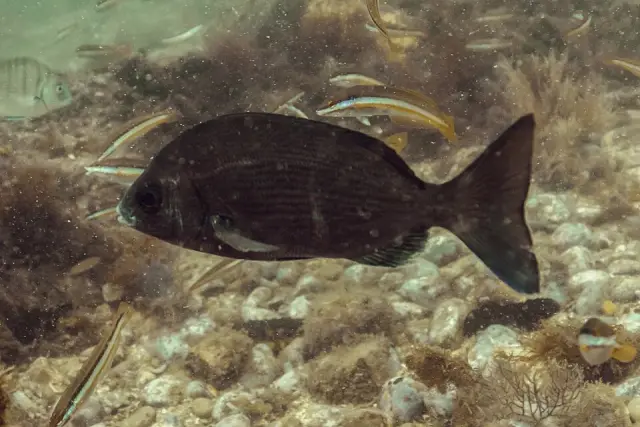
Foto: Diego Delso (CC BY-SA 4.0) vía Wikimedia Commons
· Fuente↗
Boga
Boga · Bogue · Boops boops
- Cebo
- titàengodoSabiki feathers
- Cómo montarlo
- Sabiki string under a float
Profundidad 3–60 m
13–26 °C
Quédatelo solo si pasa de 11 cm
Shoals up readily over groundbait, and makes excellent live or cut bait for bass and bluefish.
Leer más
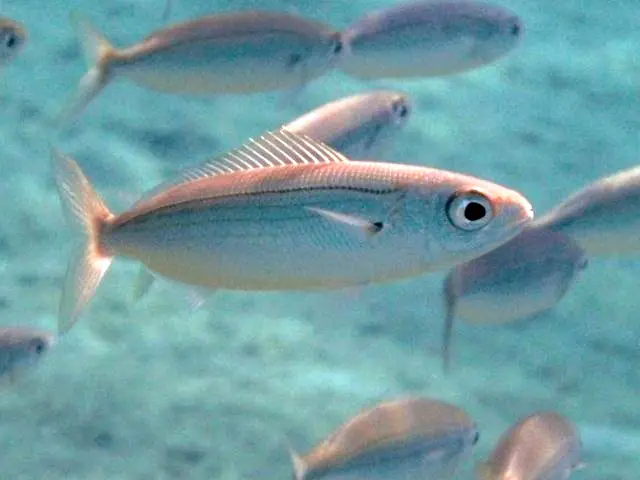
Foto: Roberto Pillon (CC BY 3.0) vía Wikimedia Commons
· Fuente↗
Mújol
Llissa llobarrera · Thicklip grey mullet · Chelon labrosus
- Cebo
- molla de papasta de patità
- Cómo montarlo
- Light waggler float, 4–6 lb line
Profundidad 0–10 m
12–26 °C
Quédatelo solo si pasa de 20 cm
Abundant in harbours and river mouths. Very shy — fine line and small hooks matter more than bait.
Leer más
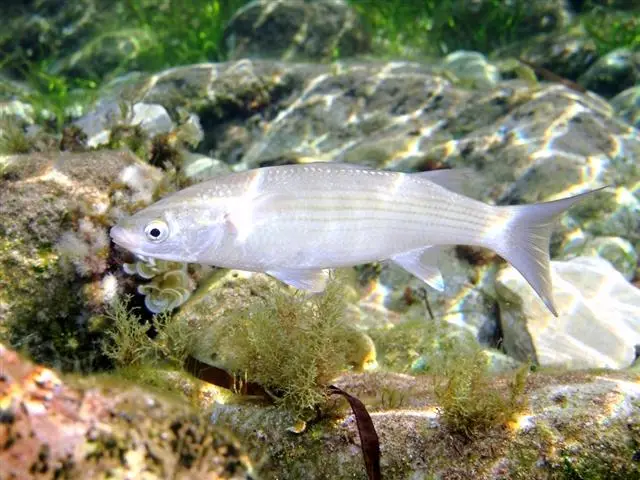
Foto: Roberto Pillon (CC BY 3.0) vía Wikimedia Commons
· Fuente↗
Pardete
Llissa calua · Flathead grey mullet · Mugil cephalus
- Cebo
- molla de patità
- Cómo montarlo
- Light float rig in brackish water
Profundidad 0–10 m
13–27 °C
Quédatelo solo si pasa de 20 cm
Concentrates where the Besòs and Llobregat meet the sea.
Leer más
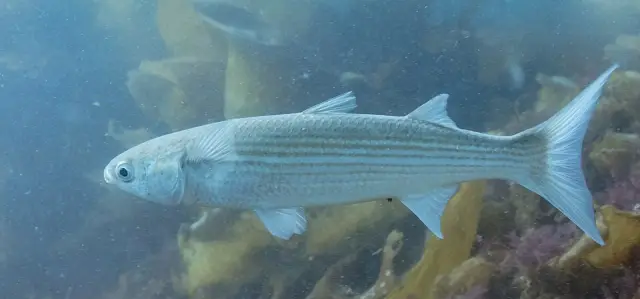
Foto: Diego Delso (CC BY-SA 4.0) vía Wikimedia Commons
· Fuente↗
Herrera
Mabre · Striped seabream · Lithognathus mormyrus
- Cebo
- titàgambanavalla
- Cómo montarlo
- Light surfcasting on clean sand
Profundidad 1–20 m
17–27 °C
Quédatelo solo si pasa de 20 cm
A clean-sand specialist — the beach fish to target when the breakwaters are crowded.
Leer más
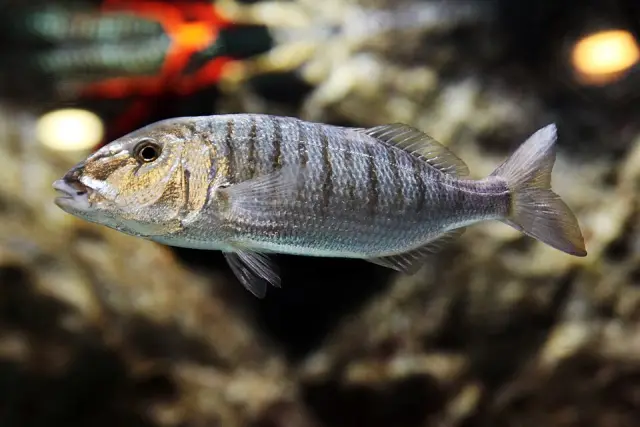
Foto: Marrabbio2 (CC BY 3.0) vía Wikimedia Commons
· Fuente↗
Anjova
Tallahams · Bluefish · Pomatomus saltatrix
- Cebo
- boga vivasardinaFast-sinking pencilMetal jig 20–40 g
- Cómo montarlo
- Wire or heavy fluorocarbon trace — they bite through mono
Profundidad 0–30 m
18–27 °C
Quédatelo solo si pasa de 30 cm
Razor teeth: use a bite trace and long-nose pliers. Hunts in fast, violent surface smashes.
Leer más
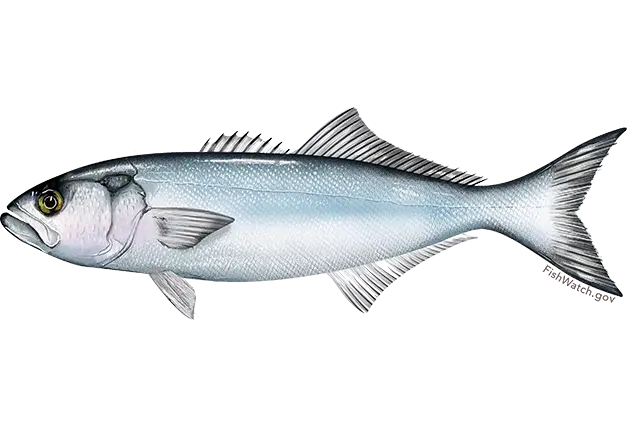
Foto: Unknown author Unknown author (Public domain) vía Wikimedia Commons
· Fuente↗
Palometa
Palometa · Pompano · Trachinotus ovatus
- Cebo
- Small metal jiggambaSmall soft plastic
- Cómo montarlo
- Light spinning, 10–20 g, in the surf line
Profundidad 0–15 m
19–27 °C
Fast, hard-fighting summer visitor in the breaking waves.
Leer más
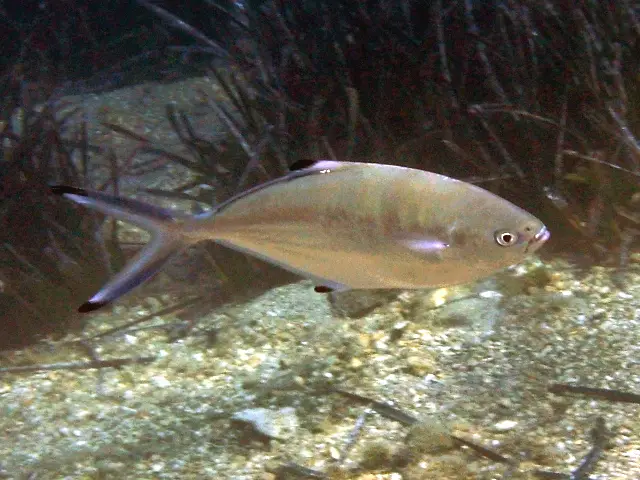
Foto: Etrusko25 (Public domain) vía Wikimedia Commons
· Fuente↗
Aguja
Agulla · Garfish · Belone belone
- Cebo
- sardinaSmall shiny spoongamba
- Cómo montarlo
- Float rig just under the surface
Profundidad 0–10 m
16–25 °C
Beaky and hard to hook — a small treble or a loop of thread beats a big single hook.
Leer más
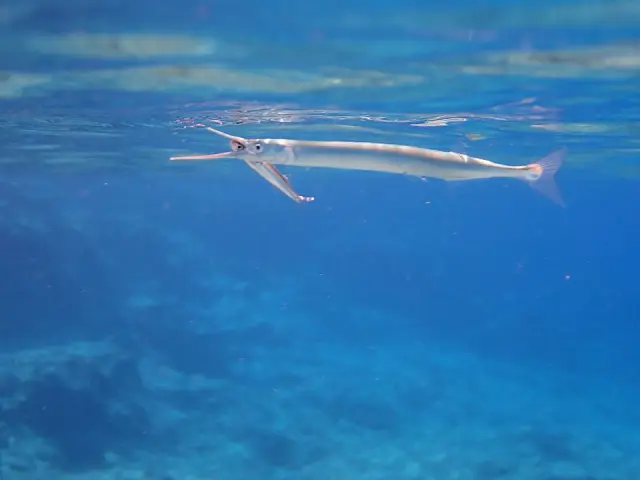
Foto: (c) Sarah Faulwetter, some rights reserved (CC BY) (CC BY 4.0) vía Wikimedia Commons
· Fuente↗
Congrio
Congre · European conger · Conger conger
- Cebo
- calamar sencerveratsípia
- Cómo montarlo
- Heavy running ledger, 60–100 lb trace
Profundidad 5–100 m
12–24 °C
Quédatelo solo si pasa de 58 cm
Strictly a night fish from the harbour walls. Strong tackle and heavy gloves — they bite hard.
Leer más
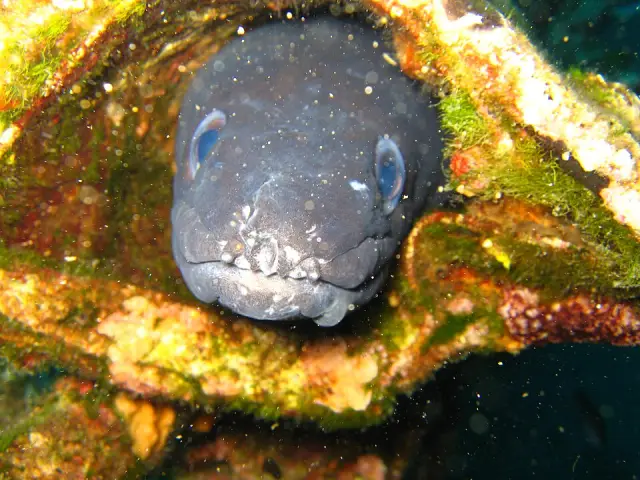
Foto: West Brom 4ever (Public domain) vía Wikimedia Commons
· Fuente↗
Morena
Morena · Mediterranean moray · Muraena helena
- Cebo
- popsardinacalamar
- Cómo montarlo
- Heavy ledger into rock crevices
Profundidad 2–50 m
16–26 °C
Handle with extreme care — a deep, infection-prone bite. Most anglers cut the trace and release.
Leer más
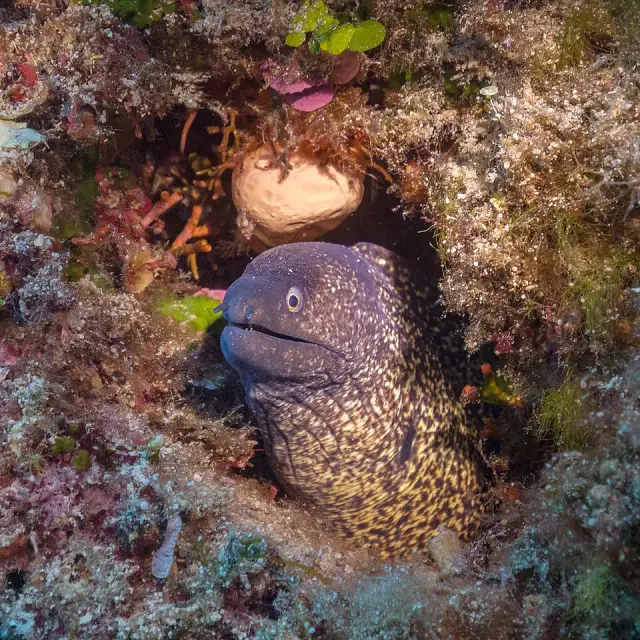
Foto: Diego Delso (CC BY-SA 4.0) vía Wikimedia Commons
· Fuente↗
Rascasa
Escórpora · Black scorpionfish · Scorpaena porcus
- Cebo
- gambacalamartità
- Cómo montarlo
- Small ledger hard on the bottom among rocks
Profundidad 2–50 m
13–25 °C
Venomous dorsal spines — never grab it by the back. Superb in a suquet.
Leer más
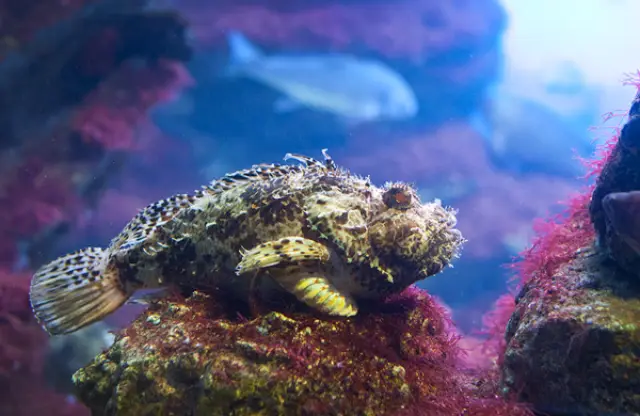
Foto: Dmitriy Konstantinov (CC BY-SA 3.0) vía Wikimedia Commons
· Fuente↗
Serrano
Vaca serrana · Painted comber · Serranus scriba
- Cebo
- gambaSmall soft plastictità
- Cómo montarlo
- Light rockfishing jighead, 3–7 g
Profundidad 2–30 m
14–26 °C
Aggressive and abundant over rock — the classic light-rockfishing target.
Leer más
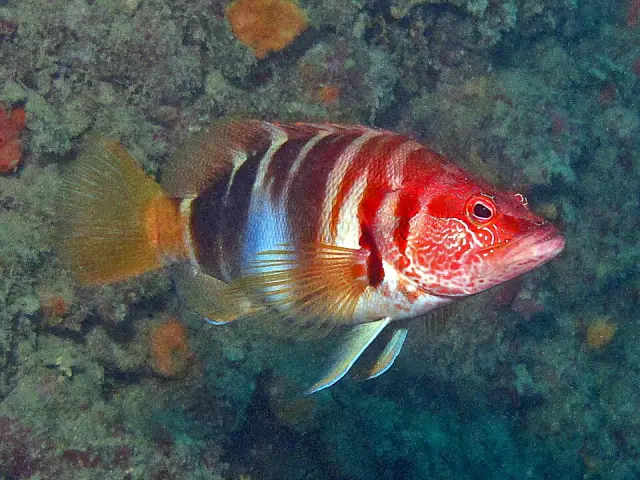
Foto: Hectonichus (CC BY-SA 3.0) vía Wikimedia Commons
· Fuente↗
Corvallo
Corball · Brown meagre · Sciaena umbra
- Cebo
- gambacalamar
- Cómo montarlo
- Ledger tight to structure after dark
Profundidad 5–40 m
16–26 °C
Protegido — devuélvelo al agua — PROTECTED in Catalan waters — recreational capture is restricted or prohibited. Release immediately and check current rules.
Leer más
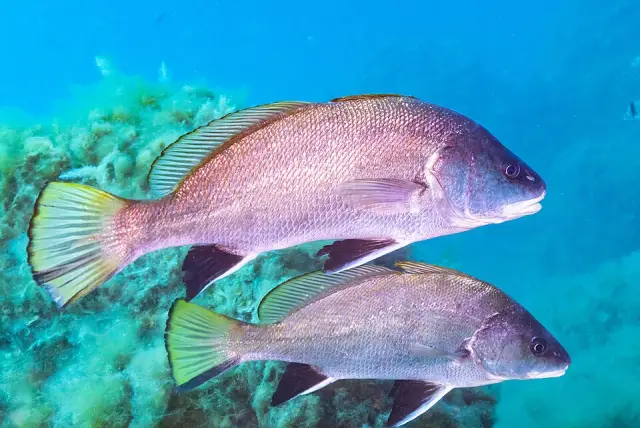
Foto: Diego Delso (CC BY-SA 4.0) vía Wikimedia Commons
· Fuente↗
Sepia
Sípia · Common cuttlefish · Sepia officinalis
- Cebo
- totaneragamba viva
- Cómo montarlo
- Eging: cast and sink-and-draw an egi over sand and weed
Profundidad 1–30 m
13–20 °C
Quédatelo solo si pasa de 10 cm
Spring and late autumn are prime. Expect ink — keep it away from your clothes.
Leer más
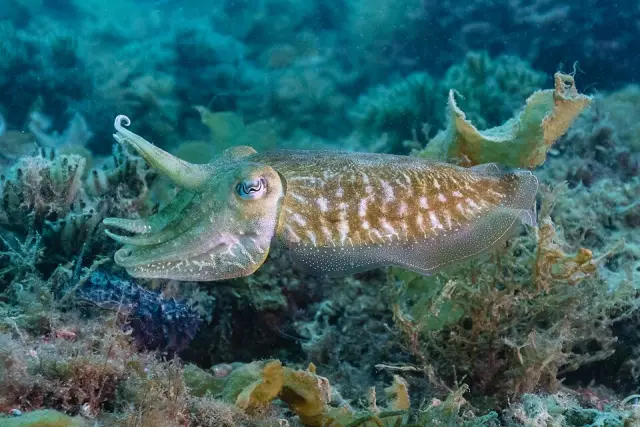
Foto: Diego Delso (CC BY-SA 4.0) vía Wikimedia Commons
· Fuente↗
Calamar
Calamar · European squid · Loligo vulgaris
- Cebo
- totaneraLuminous squid jig
- Cómo montarlo
- Vertical jigging under harbour lights
Profundidad 5–80 m
13–20 °C
Quédatelo solo si pasa de 10 cm
Autumn nights under the port lights are the classic session.
Leer más
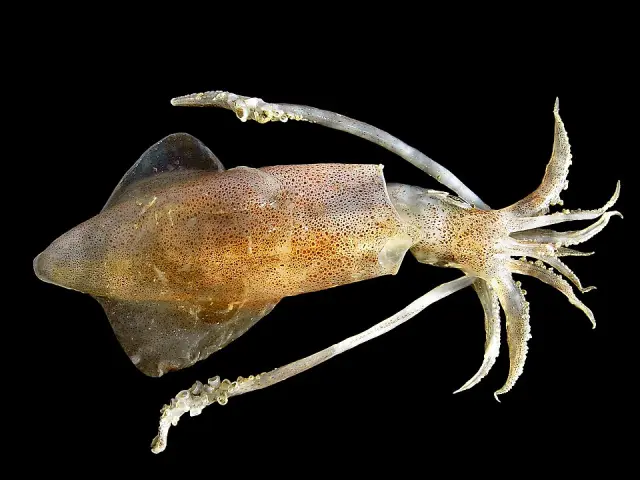
Foto: Hans Hillewaert (CC BY-SA 4.0) vía Wikimedia Commons
· Fuente↗
Pulpo
Pop · Common octopus · Octopus vulgaris
- Cebo
- poteracrancWhite rag on a jig
- Cómo montarlo
- Bounced along rocky bottom on a heavy jig
Profundidad 1–40 m
13–21 °C
Check the current minimum weight before keeping one — commonly 1 kg.
Leer más
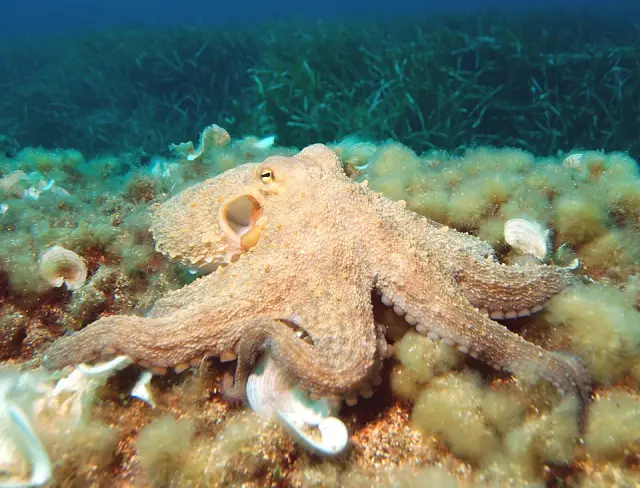
Foto: albert kok (CC BY-SA 3.0) vía Wikimedia Commons
· Fuente↗
Estornino
Verat · Chub mackerel · Scomber colias
- Cebo
- Sabiki feathersSmall metal jig
- Cómo montarlo
- Sabiki string, jigged from boat or breakwater
Profundidad 5–80 m
16–25 °C
Quédatelo solo si pasa de 18 cm
Excellent bait for bigger species, and good eating fresh off the ice.
Leer más
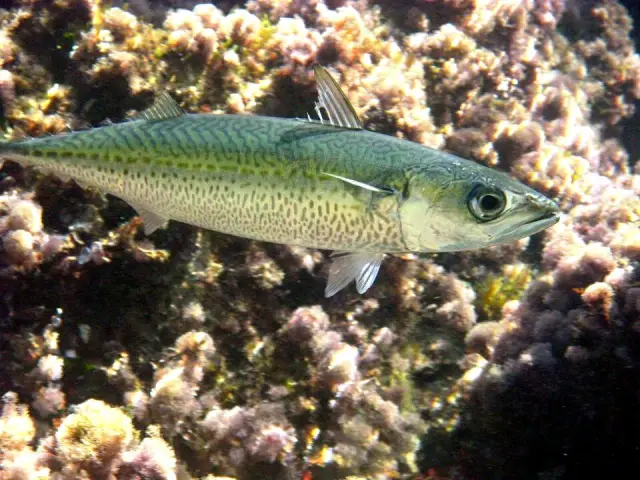
Foto: Etrusko25 (Public domain) vía Wikimedia Commons
· Fuente↗
Jurel
Sorell · Atlantic horse mackerel · Trachurus trachurus
- Cebo
- Sabiki feathersSmall soft plastic
- Cómo montarlo
- Sabiki under harbour lights at night
Profundidad 10–100 m
13–24 °C
Quédatelo solo si pasa de 15 cm
Leer más
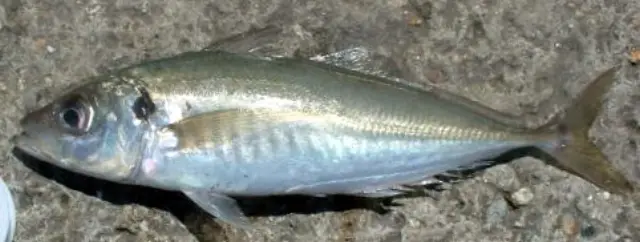
Foto: Kare Kare (CC BY-SA 3.0) vía Wikimedia Commons
· Fuente↗
Breca
Pagell · Common pandora · Pagellus erythrinus
- Cebo
- titàgambaSquid strip
- Cómo montarlo
- Light boat paternoster over sand and maerl
Profundidad 10–100 m
15–25 °C
Quédatelo solo si pasa de 15 cm
Leer más
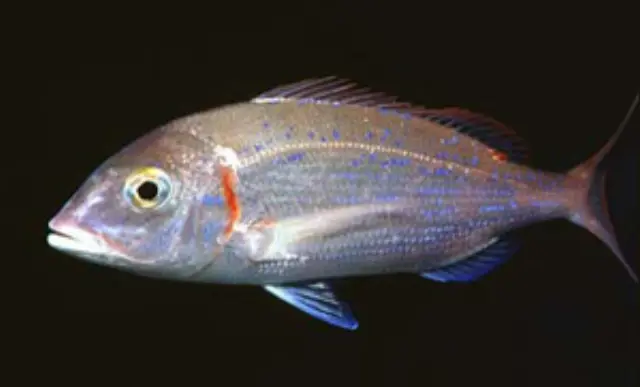
Foto: riblje oko.hr (CC BY-SA 3.0) vía Wikimedia Commons
· Fuente↗